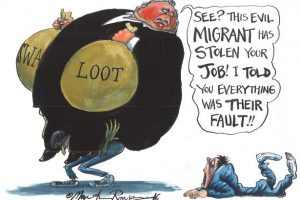
Vote Leave seem to have ridden a tide of resentment to a narrow referendum majority, and immediately had to start admitting to lying in their campaign. The lies were impressive and, combined with the idea that experts are not to be trusted, were irrefutable. They played on the fears and anxieties of people who already felt left behind. They spoke to people struggling from years of austerity and feeling ignored by “elites”.
What happens to these people as they realise they were taken for a ride by a faction of that “elite” that played on their vulnerability? What is happening to people who voted Leave because they wanted change, and are increasingly horrified to find out what that change looks like, or voted out of protest and discover that their vote has consequences?
The resentment is real. Continue reading “When people realise they have been lied to…”

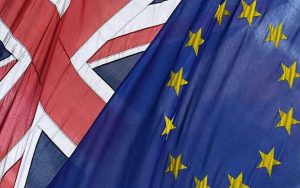 If we lived in a world of disconnected nation states, we might not need an EU — except for the small matter of avoiding war. I could argue that this applied for much of European history in that wars were relatively limited affairs (because most of Europe was close to subsistence farming, so there were not the human or financial resources to mobilise for a large war without facing starvation at home). But increased wealth and mechanisation of production and warfare change these things profoundly in the twentieth century.